Western response to Ukrainian strike on Russian dormitory
AFBytes Brief
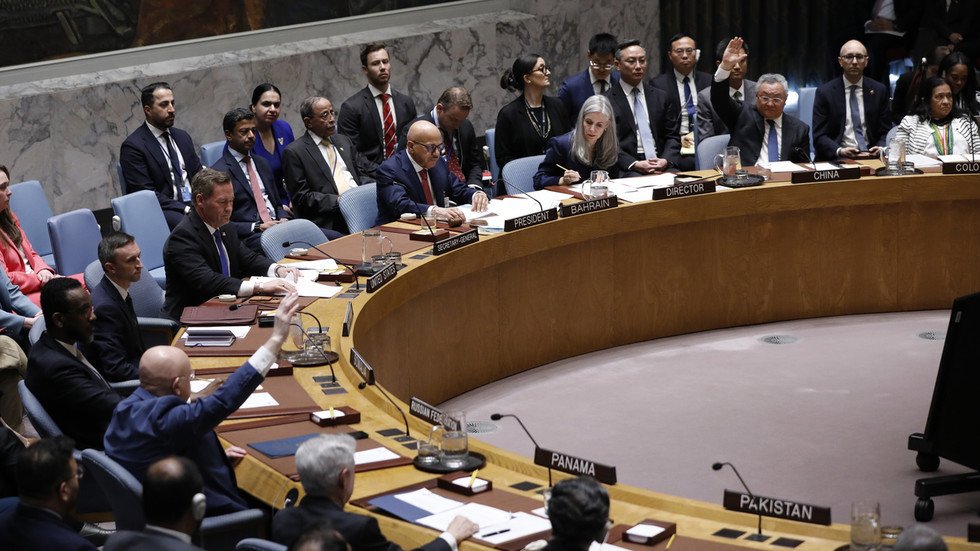
Ukraine struck a Russian school dormitory, resulting in deaths. Supporters of Ukraine at the United Nations did not issue a condemnation. The incident highlights differing standards applied to actions by each side.
Why this matters
Continued Western support for Ukraine shapes U.S. foreign aid levels and defense spending priorities that affect taxpayers. Strikes that hit civilian sites can influence public debate on the scope and duration of assistance.
Quick take
- Money Angle
- Ongoing U.S. military aid to Ukraine adds to federal budget outlays funded by taxpayers.
- Market Impact
- Defense contractors may see sustained demand if aid packages continue.
- Who Benefits
- Ukrainian government receives continued diplomatic cover and material support.
- Who Loses
- Russian civilians face direct harm from strikes on non-military sites.
- What to Watch Next
- Monitor upcoming UN Security Council sessions for any formal statements or resolutions on the incident.
Perspectives on this story
AI-generated analytical lenses meant to encourage you to think across multiple frames. Not attributed to any individual; not presented as fact.
Household Impact
How this affects family budgets, jobs, and day-to-day life.
U.S. aid commitments tied to the conflict can influence federal spending and long-term debt levels that affect future tax burdens.
America First View
How this lands for readers prioritizing American sovereignty, borders, and domestic industry.
U.S. involvement tests the balance between supporting allies and preserving resources for domestic priorities and border security.
Institutional View
How established institutions -- agencies, courts, allied governments -- are likely to frame it.
Western governments and the UN assess incidents according to established rules of engagement and international humanitarian law precedents.
Civil Liberties View
How this reads through the lens of constitutional rights, free speech, and due process.
Attacks on civilian facilities raise concerns over protections for non-combatants under international norms.
National Security View
How this matters for defense posture, intelligence, and adversary deterrence.
The conflict affects NATO supply lines, European energy security, and the credibility of U.S. deterrence commitments.
AFBytes analysis is AI-assisted and generated from source metadata, article summaries, and topic context. It is intended to help readers think through implications, not replace the original reporting from rt.com. See our AI and Summary Disclosure for details.
Discussion on
Trending posts from X.
A few important reminders from @SenJohnKennedy about Ukraine and Russia 🇺🇸🤝🇺🇦 https://t.co/4t7QAIFcE1
— Razom for Ukraine 🇺🇸🤝🇺🇦 (@razomforukraine) May 22, 2026
Russia 🇷🇺 is moving closer & closer to Kyiv.
— Bryce M. Lipscomb (@BryceMLipscomb) May 22, 2026
Russia 🇷🇺 continues to gain more territory in Ukraine.
The child trafficking government of Zelenskyy, is in full panic mode, as is the EU.
Even with EU aid, Ukraine cannot withstand the Russian Bear. pic.twitter.com/Kre5n6POMI
He is absolutely delusional, which, paradoxically, is very good for Ukraine. But what is actually interesting is that Putin made a similar appeal to Ukrainian soldiers in 2022, before Russian troops were forced to withdraw from the Kyiv and Kharkiv regions. Moscow later framed it… pic.twitter.com/ssb50FQYHI
— Kateryna Lisunova (@KaterynaLis) May 22, 2026
The real threat that Putin feared from Ukraine wasn't the remote prospect of NATO expansion but the threatening example of democracy that it represented for the Russian people. Trump could care less about democracy, but Ukrainians have managed without him. https://t.co/zNHd8s3jXf
— Kenneth Roth (@KenRoth) May 23, 2026