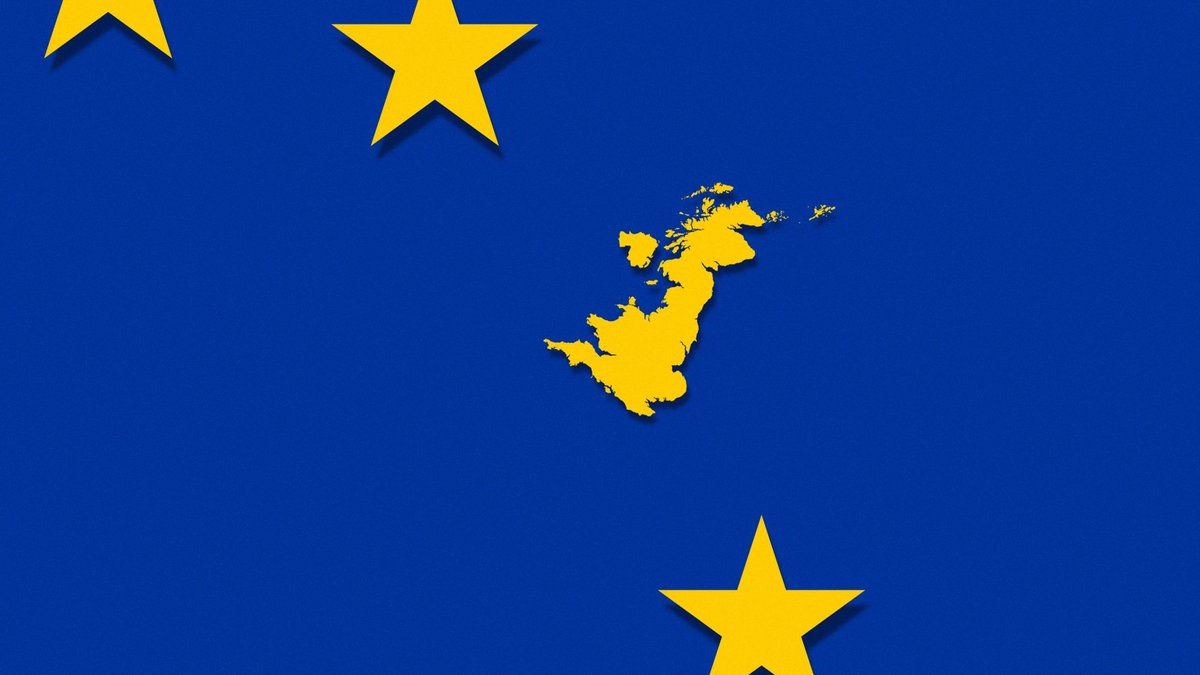
Reversing Brexit would require new EU negotiations
AFBytes Brief
Analysts note that any future UK application to rejoin would start from a different baseline than previous membership terms. Prior opt outs and rebates would likely need renegotiation. Political and economic conditions have shifted since the original departure vote.
Why this matters
Changes in UK EU trade arrangements can affect transatlantic supply chains and regulatory alignment that indirectly influences U.S. exporters and investors.
Quick take
- Money Angle
- Trade barrier adjustments would alter costs for companies with cross channel operations and supply chains.
- Market Impact
- UK and EU linked equities and currency pairs could see renewed volatility on any formal rejoining signals.
- Who Benefits
- UK exporters to the EU could gain from reduced tariffs and regulatory friction if rejoining occurs.
- Who Loses
- Sectors that benefited from regulatory divergence after Brexit could face new compliance costs.
- What to Watch Next
- Monitor UK political party platforms and EU statements for any formal rejoining signals ahead of elections.
Perspectives on this story
AI-generated analytical lenses meant to encourage you to think across multiple frames. Not attributed to any individual; not presented as fact.
Household Impact
How this affects family budgets, jobs, and day-to-day life.
Trade policy shifts can influence prices of imported goods and employment in export oriented industries.
America First View
How this lands for readers prioritizing American sovereignty, borders, and domestic industry.
Stable transatlantic trade relationships support U.S. export markets and investment flows.
Institutional View
How established institutions -- agencies, courts, allied governments -- are likely to frame it.
Any accession process would follow established EU treaty procedures and require unanimous member approval.
Civil Liberties View
How this reads through the lens of constitutional rights, free speech, and due process.
Membership terms affect movement of people and data flows that intersect with privacy frameworks.
National Security View
How this matters for defense posture, intelligence, and adversary deterrence.
Closer UK EU security and intelligence cooperation could complement existing NATO arrangements.
AFBytes analysis is AI-assisted and generated from source metadata, article summaries, and topic context. It is intended to help readers think through implications, not replace the original reporting from theweek.com. See our AI and Summary Disclosure for details.