FPGA project recreates Enigma code breaking
AFBytes Brief
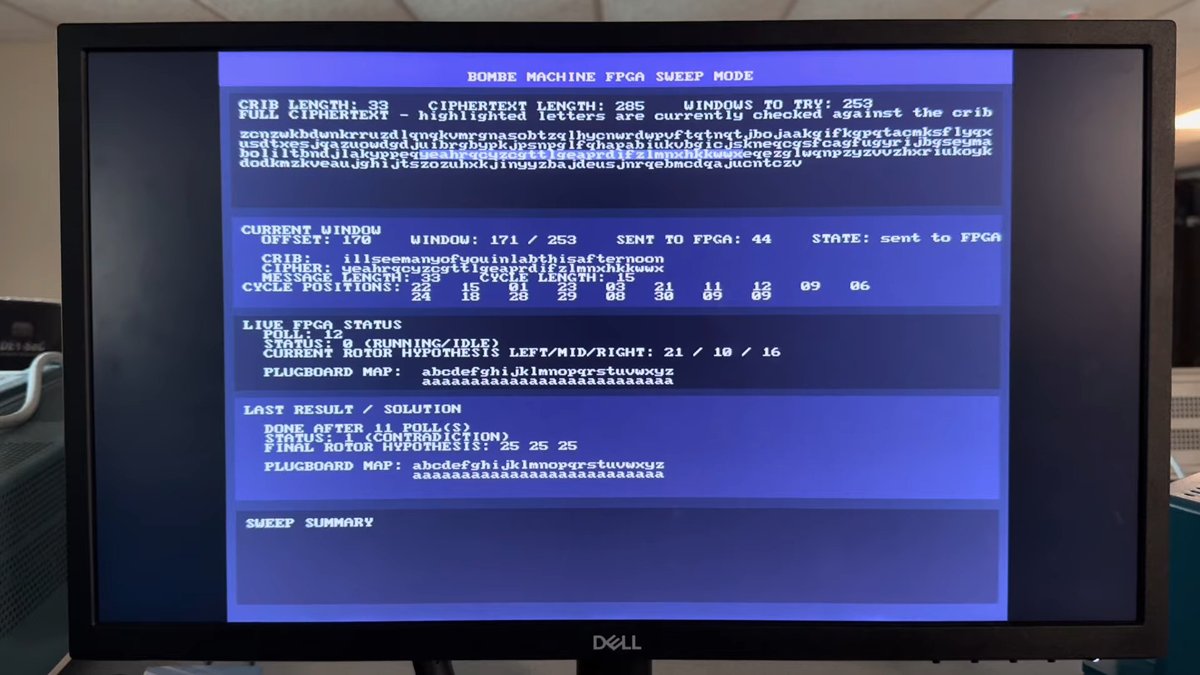
An FPGA-based project replicates the Enigma decryption techniques used at Bletchley Park during World War II. The effort highlights early computing contributions to code breaking.
Why this matters
Recreations of historical computing methods can inform current understanding of cryptography and hardware design principles.
Perspectives on this story
AI-generated analytical lenses meant to encourage you to think across multiple frames. Not attributed to any individual; not presented as fact.
Household Impact
How this affects family budgets, jobs, and day-to-day life.
Historical technology projects provide educational content that does not directly alter household expenses.
America First View
How this lands for readers prioritizing American sovereignty, borders, and domestic industry.
Preservation of Allied code-breaking history underscores U.S. and allied technological achievements in past conflicts.
Institutional View
How established institutions -- agencies, courts, allied governments -- are likely to frame it.
Academic and historical institutions document computing milestones through technical reconstructions and archival work.
Civil Liberties View
How this reads through the lens of constitutional rights, free speech, and due process.
Cryptography history discussions do not engage ongoing surveillance or privacy policy debates.
National Security View
How this matters for defense posture, intelligence, and adversary deterrence.
Understanding historical signals intelligence methods supports appreciation for modern encryption and intelligence capabilities.
Adversary View
How foreign rivals are likely to frame this story. Not presented as fact and does not reflect the views of AFBytes.
No clear adversary framing applies to this story.
AFBytes analysis is AI-assisted and generated from source metadata, article summaries, and topic context. It is intended to help readers think through implications, not replace the original reporting from hackaday.com. See our AI and Summary Disclosure for details.