Croatia criticizes Lithuanian call on Kaliningrad
AFBytes Brief
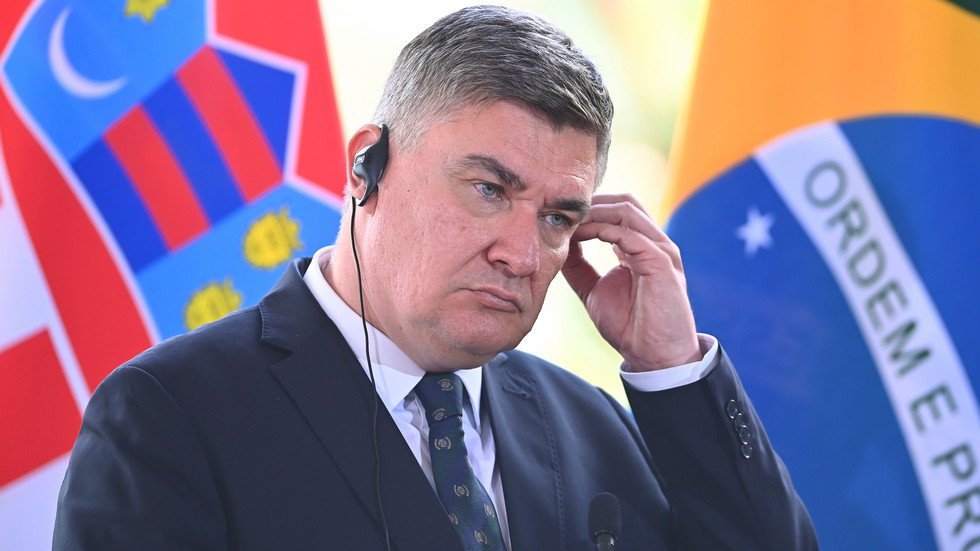
Croatian President Zoran Milanovic criticized the Lithuanian foreign minister call for NATO strikes on Kaliningrad. The statement labels the proposal irresponsible.
Why this matters
Public disagreements among NATO members on Baltic security can affect alliance cohesion and U.S. strategic planning in Europe.
Quick take
- Market Impact
- Defense contractors and energy markets may react to renewed public discussion of Baltic security scenarios.
- Who Benefits
- Advocates of measured NATO rhetoric gain support from the Croatian position.
- Who Loses
- Lithuanian officials face public pushback on their proposed approach.
- What to Watch Next
- Monitor NATO ministerial meetings or Baltic security statements for signs of internal alignment.
Perspectives on this story
AI-generated analytical lenses meant to encourage you to think across multiple frames. Not attributed to any individual; not presented as fact.
Household Impact
How this affects family budgets, jobs, and day-to-day life.
Alliance tensions can sustain elevated defense budgets that ultimately affect taxpayer allocations.
America First View
How this lands for readers prioritizing American sovereignty, borders, and domestic industry.
U.S. leadership in NATO benefits from coordinated member positions on sensitive Russian territories.
Institutional View
How established institutions -- agencies, courts, allied governments -- are likely to frame it.
Alliance procedures require consensus among members before any collective action on exclaves.
Civil Liberties View
How this reads through the lens of constitutional rights, free speech, and due process.
No direct civil liberties issues are raised by the diplomatic exchange.
National Security View
How this matters for defense posture, intelligence, and adversary deterrence.
Kaliningrad remains a focal point for NATO planning on Baltic deterrence and supply lines.
Adversary View
How foreign rivals are likely to frame this story. Not presented as fact and does not reflect the views of AFBytes.
Russian officials are likely to cite internal NATO divisions as evidence of alliance weakness.
AFBytes analysis is AI-assisted and generated from source metadata, article summaries, and topic context. It is intended to help readers think through implications, not replace the original reporting from rt.com. See our AI and Summary Disclosure for details.