Stanford develops room-temperature quantum device
AFBytes Brief
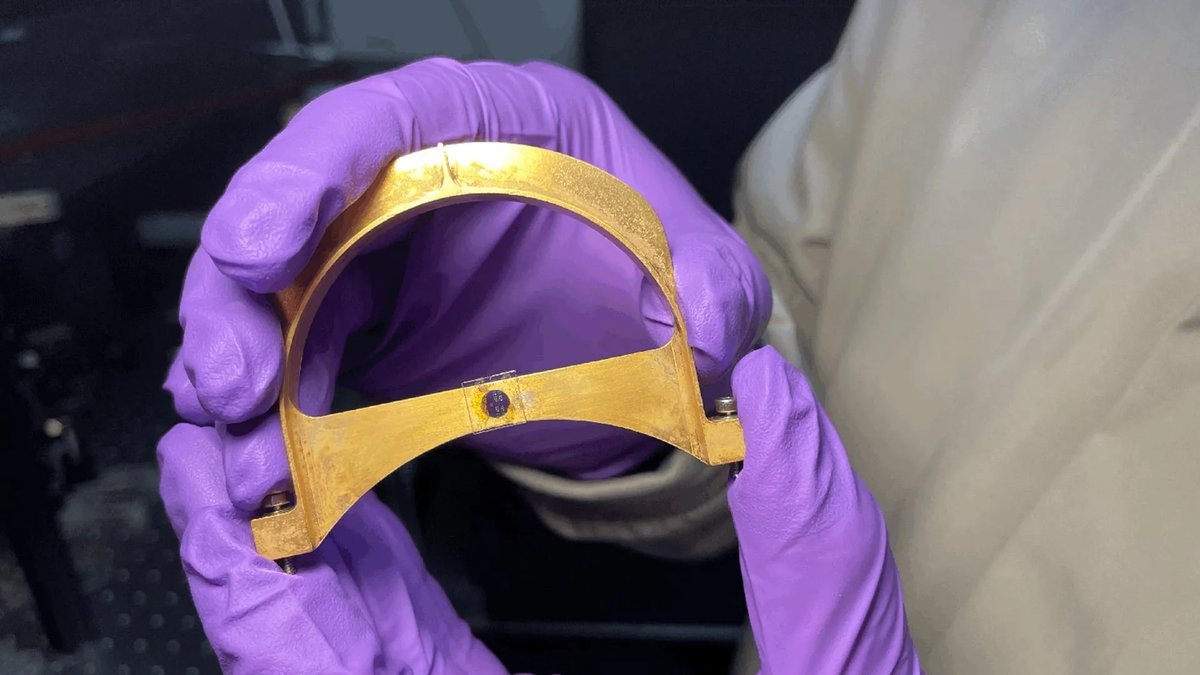
Stanford researchers created a quantum device that operates at room temperature. It uses twisted light to entangle photons and electrons without cryogenic cooling.
Why this matters
Advances in accessible quantum hardware could accelerate applications in secure communications and advanced computing used by U.S. industry and defense.
Quick take
- Money Angle
- Reduced cooling requirements lower infrastructure costs for quantum systems and may speed commercial deployment timelines.
- Market Impact
- Quantum technology suppliers and photonics firms could see increased investor interest and valuation upside.
- Who Benefits
- Stanford and photonics equipment makers benefit from progress toward scalable, lower-cost quantum devices.
- Who Loses
- Companies invested in traditional cryogenic quantum platforms may face relative competitive pressure.
- What to Watch Next
- Watch for peer-reviewed publication and follow-on funding announcements that would confirm scalability claims.
Perspectives on this story
AI-generated analytical lenses meant to encourage you to think across multiple frames. Not attributed to any individual; not presented as fact.
Household Impact
How this affects family budgets, jobs, and day-to-day life.
Future quantum advances could eventually improve encryption for consumer devices and financial services.
America First View
How this lands for readers prioritizing American sovereignty, borders, and domestic industry.
Domestic research leadership supports U.S. technological self-reliance in critical computing fields.
Institutional View
How established institutions -- agencies, courts, allied governments -- are likely to frame it.
Federal research agencies view such breakthroughs through the lens of maintaining U.S. leadership in foundational science.
Civil Liberties View
How this reads through the lens of constitutional rights, free speech, and due process.
Improved quantum encryption methods could strengthen individual data privacy against sophisticated surveillance.
National Security View
How this matters for defense posture, intelligence, and adversary deterrence.
Room-temperature quantum systems would enhance secure communications and sensing capabilities for defense applications.
Adversary View
How foreign rivals are likely to frame this story. Not presented as fact and does not reflect the views of AFBytes.
Chinese state media is likely to highlight parallel domestic quantum efforts to underscore technological parity.
AFBytes analysis is AI-assisted and generated from source metadata, article summaries, and topic context. It is intended to help readers think through implications, not replace the original reporting from sciencedaily.com. See our AI and Summary Disclosure for details.