U.S. law limits treason prosecutions
AFBytes Brief
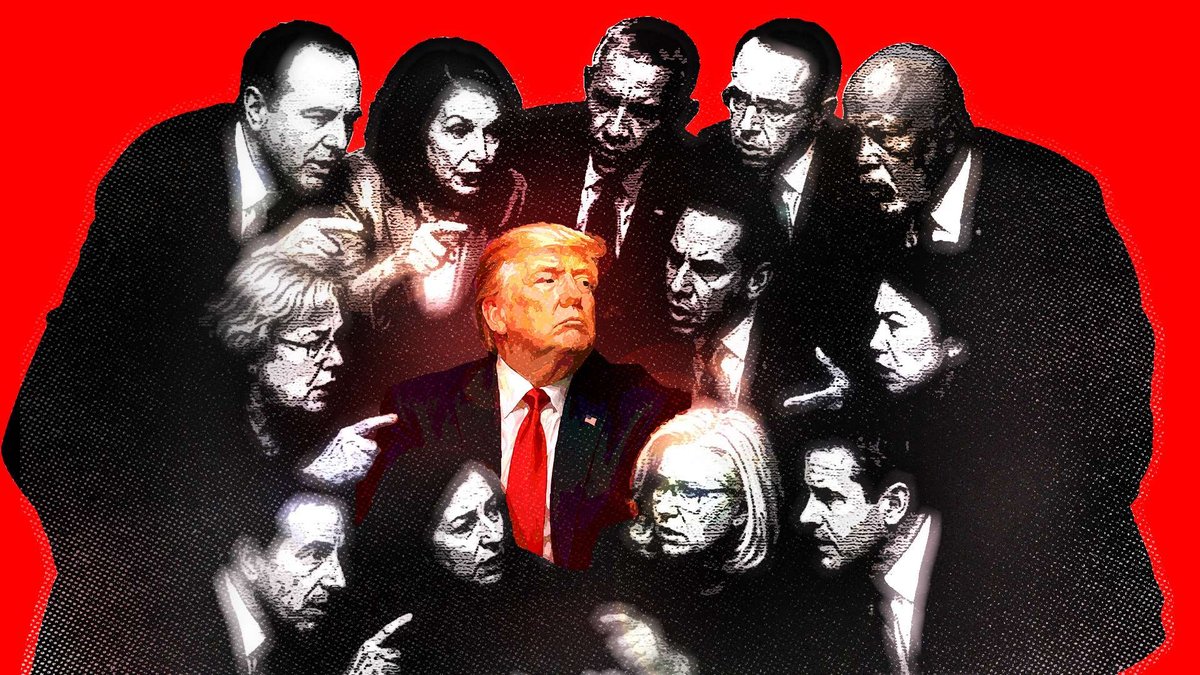
The article notes that repeated public references to treason encounter strict constitutional requirements for conviction. Those requirements were designed to prevent political weaponization of the charge.
Why this matters
High evidentiary thresholds protect against misuse of serious charges that carry severe penalties and affect political discourse.
Perspectives on this story
AI-generated analytical lenses meant to encourage you to think across multiple frames. Not attributed to any individual; not presented as fact.
Household Impact
How this affects family budgets, jobs, and day-to-day life.
Stable application of criminal statutes supports predictable legal environment for citizens.
America First View
How this lands for readers prioritizing American sovereignty, borders, and domestic industry.
Constitutional limits on treason reinforce domestic legal traditions that prioritize narrow definitions of disloyalty.
Institutional View
How established institutions -- agencies, courts, allied governments -- are likely to frame it.
Federal courts apply Article III and statutory definitions that require two witnesses or confession in open court.
Civil Liberties View
How this reads through the lens of constitutional rights, free speech, and due process.
The narrow treason clause protects free speech by making political criticism difficult to criminalize as betrayal.
National Security View
How this matters for defense posture, intelligence, and adversary deterrence.
Espionage and related statutes remain available for genuine threats without invoking the rarely used treason charge.
Adversary View
How foreign rivals are likely to frame this story. Not presented as fact and does not reflect the views of AFBytes.
No clear adversary framing applies to this story.
AFBytes analysis is AI-assisted and generated from source metadata, article summaries, and topic context. It is intended to help readers think through implications, not replace the original reporting from reason.com. See our AI and Summary Disclosure for details.