Next AI wearables prioritize body monitoring over companionship
AFBytes Brief
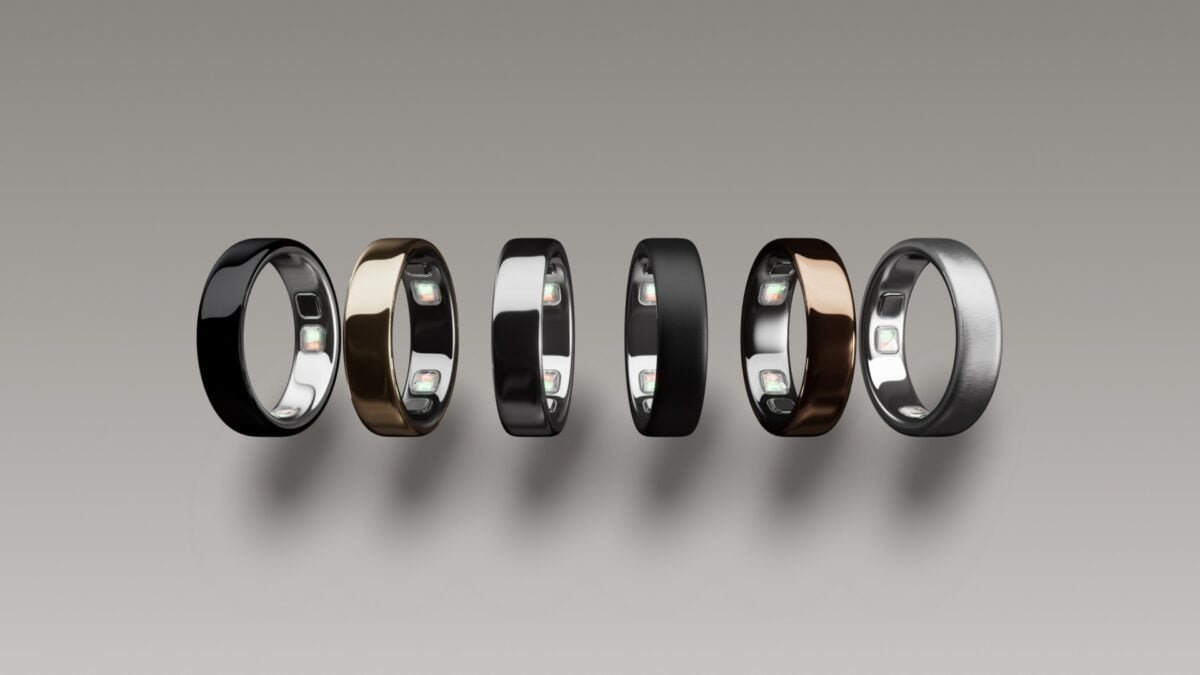
The emerging generation of AI wearables emphasizes physiological monitoring and personal health insights over conversational companionship. Market signals indicate limited consumer interest in always-present social AI agents.
Why this matters
Health-focused AI devices can influence preventive-care costs and personal wellness management for consumers.
Quick take
- Money Angle
- Health-tracking hardware and subscription services represent a growing revenue stream for device makers and insurers seeking preventive-care data.
- Market Impact
- Wearable and digital-health companies may see valuation support as adoption of body-centric AI increases.
- Who Benefits
- Medical-device manufacturers and health-insurance providers gain from richer biometric datasets.
- Who Loses
- Developers focused on social-companion AI features face slower adoption and potential pivot costs.
- What to Watch Next
- Watch for new product launches at major consumer-electronics trade shows that emphasize biometric accuracy claims.
Perspectives on this story
AI-generated analytical lenses meant to encourage you to think across multiple frames. Not attributed to any individual; not presented as fact.
Household Impact
How this affects family budgets, jobs, and day-to-day life.
Improved personal health monitoring can help individuals manage chronic conditions and potentially lower out-of-pocket medical expenses.
America First View
How this lands for readers prioritizing American sovereignty, borders, and domestic industry.
U.S. technology firms that lead in health-focused wearables strengthen domestic manufacturing and data-processing capacity.
Institutional View
How established institutions -- agencies, courts, allied governments -- are likely to frame it.
FDA oversight of medical claims made by wearable devices follows established device-classification procedures.
Civil Liberties View
How this reads through the lens of constitutional rights, free speech, and due process.
Continuous biometric collection raises questions about data ownership and secondary use by device makers or insurers.
National Security View
How this matters for defense posture, intelligence, and adversary deterrence.
Widespread health-data collection could create new vectors for foreign intelligence targeting of sensitive personal information.
Adversary View
How foreign rivals are likely to frame this story. Not presented as fact and does not reflect the views of AFBytes.
No clear adversary framing applies to this story.
AFBytes analysis is AI-assisted and generated from source metadata, article summaries, and topic context. It is intended to help readers think through implications, not replace the original reporting from gizmodo.com. See our AI and Summary Disclosure for details.